IMTA Pilot Project Shows Promise for Sustainable Aquaculture in Albania
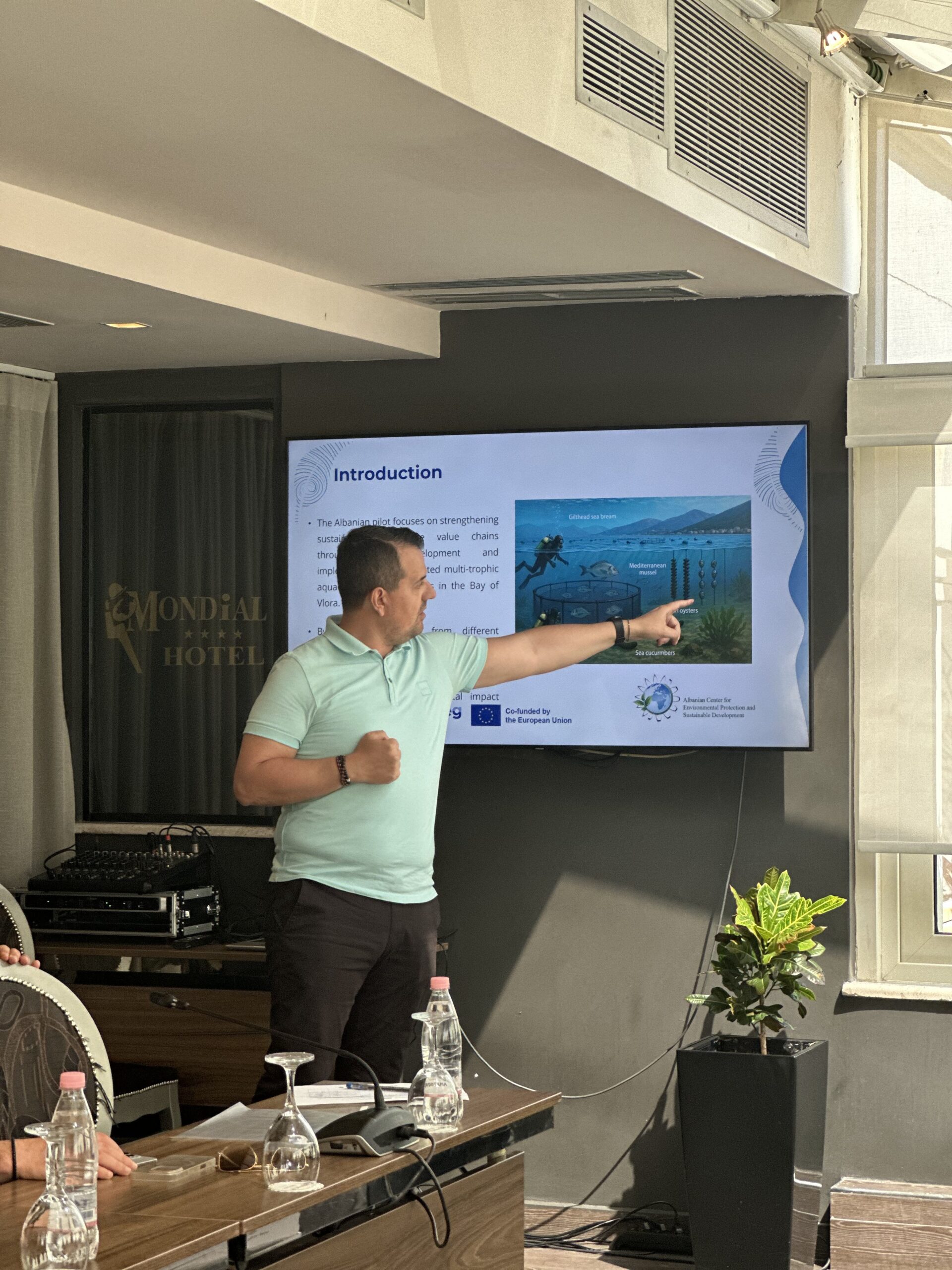
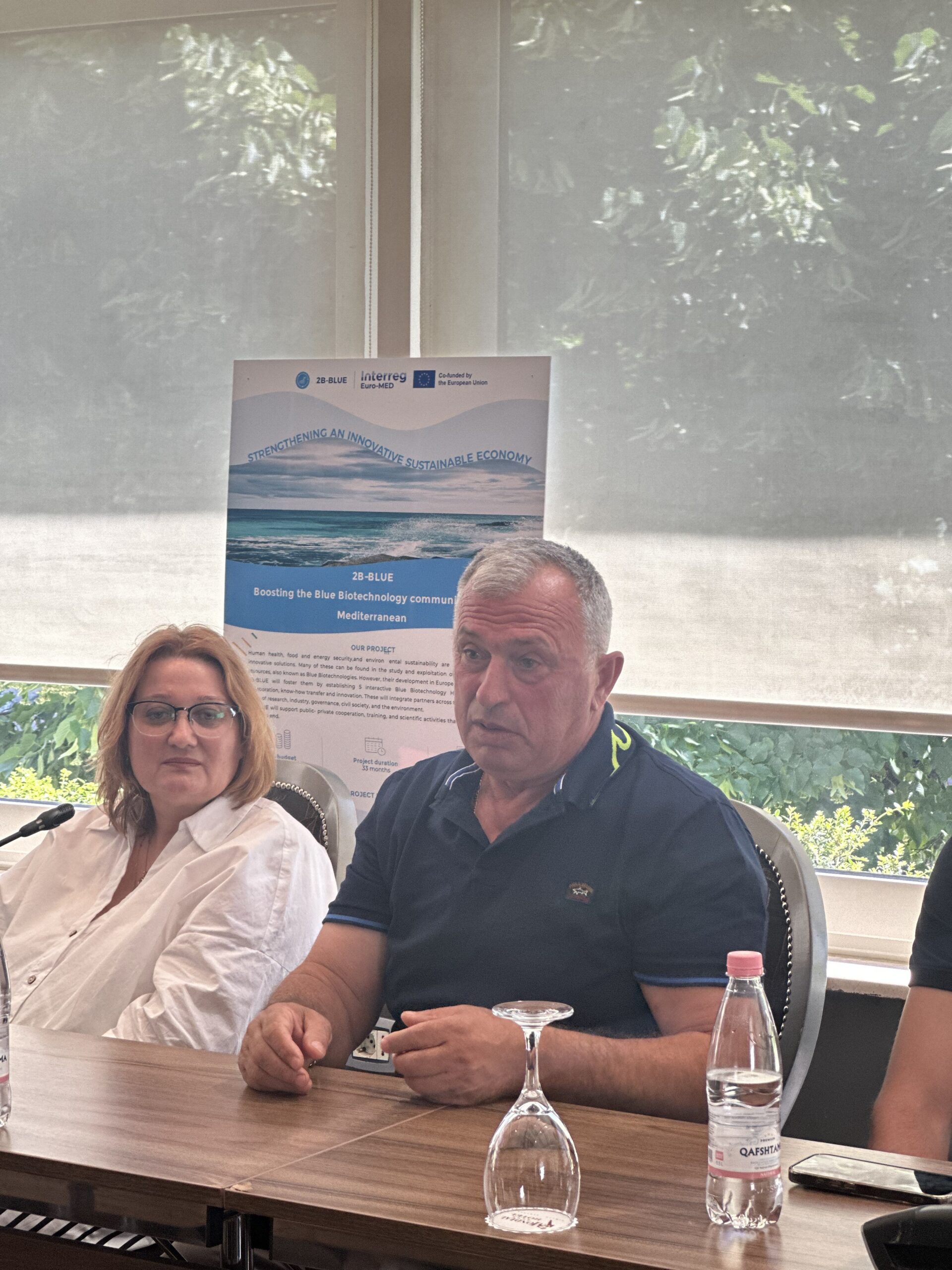
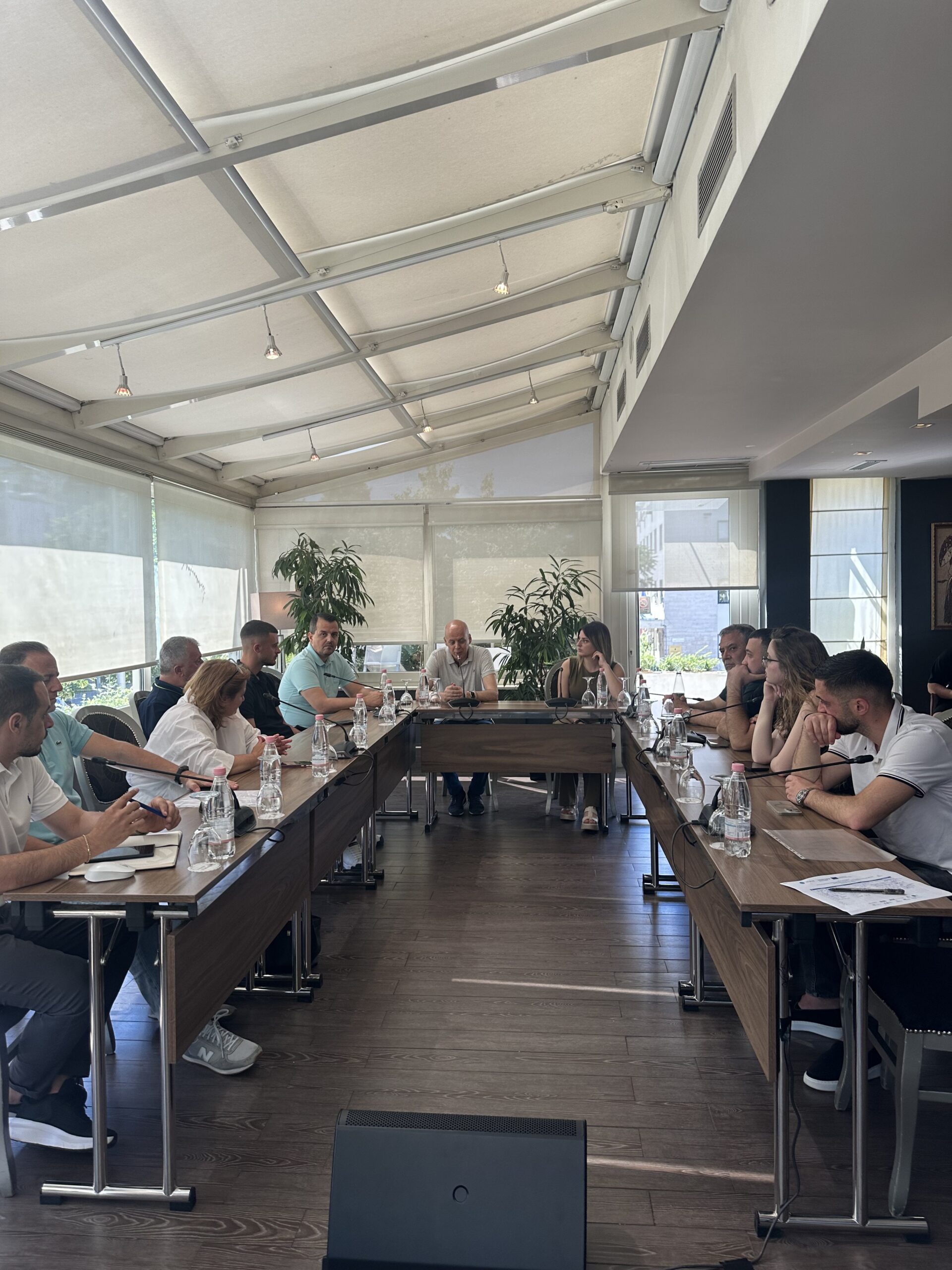
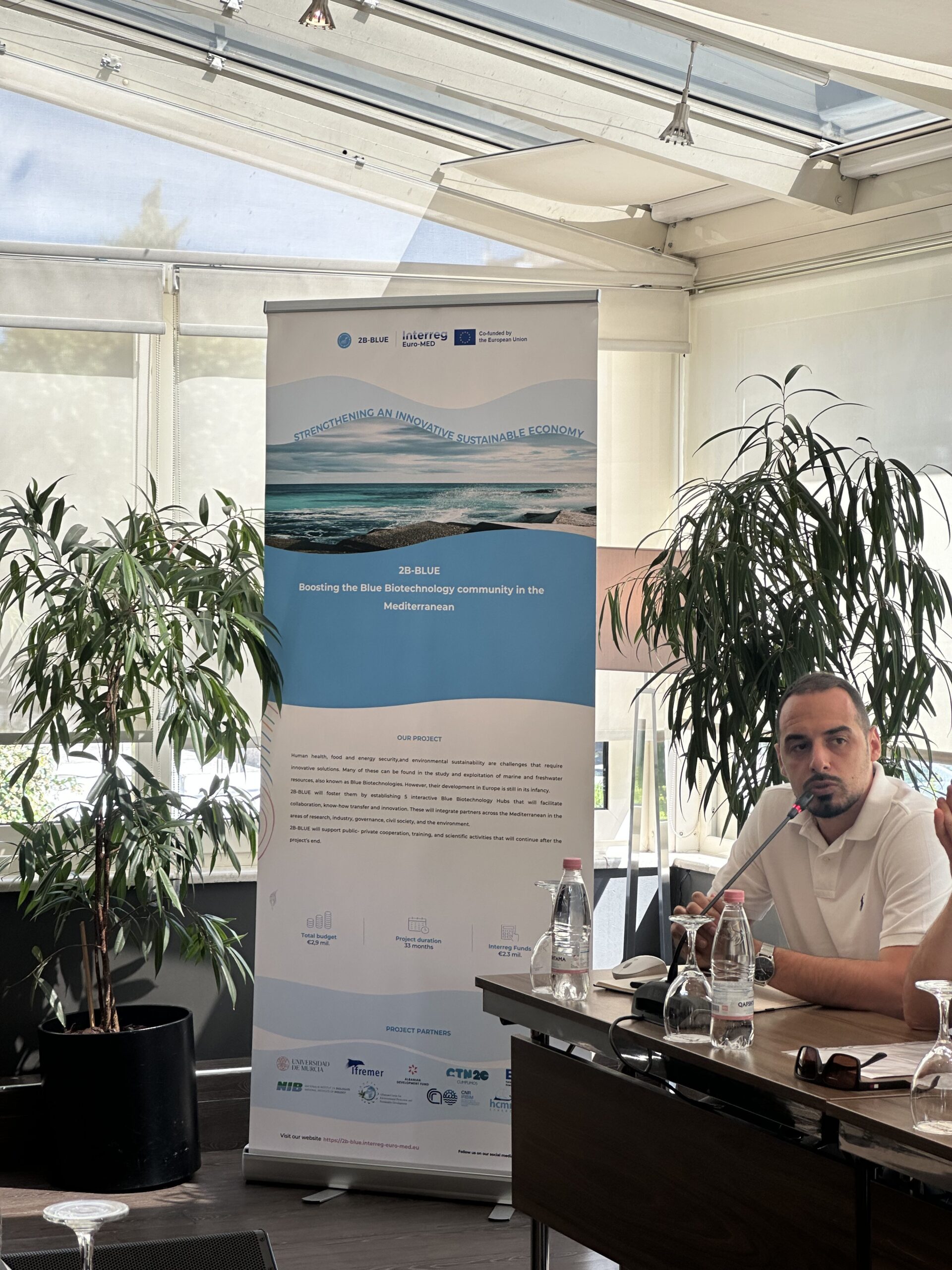
On May 29, 2026, the third Transformative Lab (T-Lab 3) of the 2B-BLUE project was held in Tirana, bringing together representatives from public institutions, universities, businesses and civil society organizations. The event focused on the results of an innovative aquaculture pilot project implemented in the Bay of Vlora and explored opportunities for expanding the approach across Albania.
The pilot tested Integrated Multi-Trophic Aquaculture (IMTA), a sustainable farming method that combines different marine species within the same system. By integrating filter-feeding organisms such as mussels and oysters into existing fish farms, the system helps recycle nutrients, improve water quality and create new economic opportunities.
Results from the pilot were highly encouraging. Monitoring showed reductions in nitrogen, phosphorus, ammonia and nitrate levels, indicating improved environmental conditions. At the same time, mussels and oysters demonstrated strong growth, while sea cucumbers also showed positive development. These findings highlight the potential of IMTA to diversify aquaculture production while reducing environmental impacts.
Participants also discussed how to transfer this knowledge to other aquaculture operators. Proposed actions included developing technical guidelines, practical recommendations, informational brochures and short videos to help communicate the benefits of IMTA to both industry professionals and the wider public.
The workshop concluded that IMTA offers a promising pathway for advancing blue biotechnology, supporting sustainable aquaculture and strengthening Albania’s growing blue economy.
Photos: ADF