Strengthening Sustainable Aquaculture in Greece’s Thermaikos Gulf, Greece
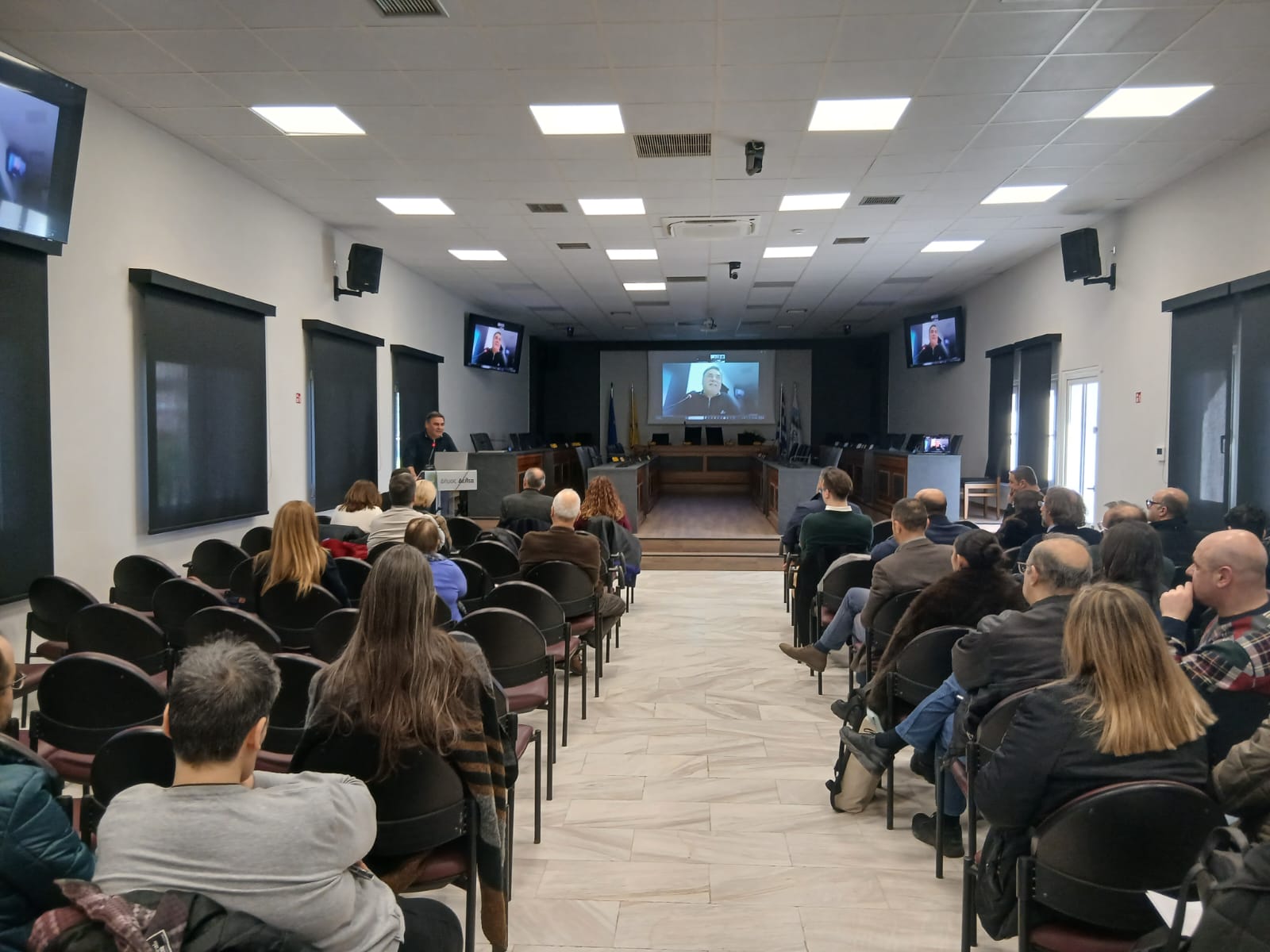
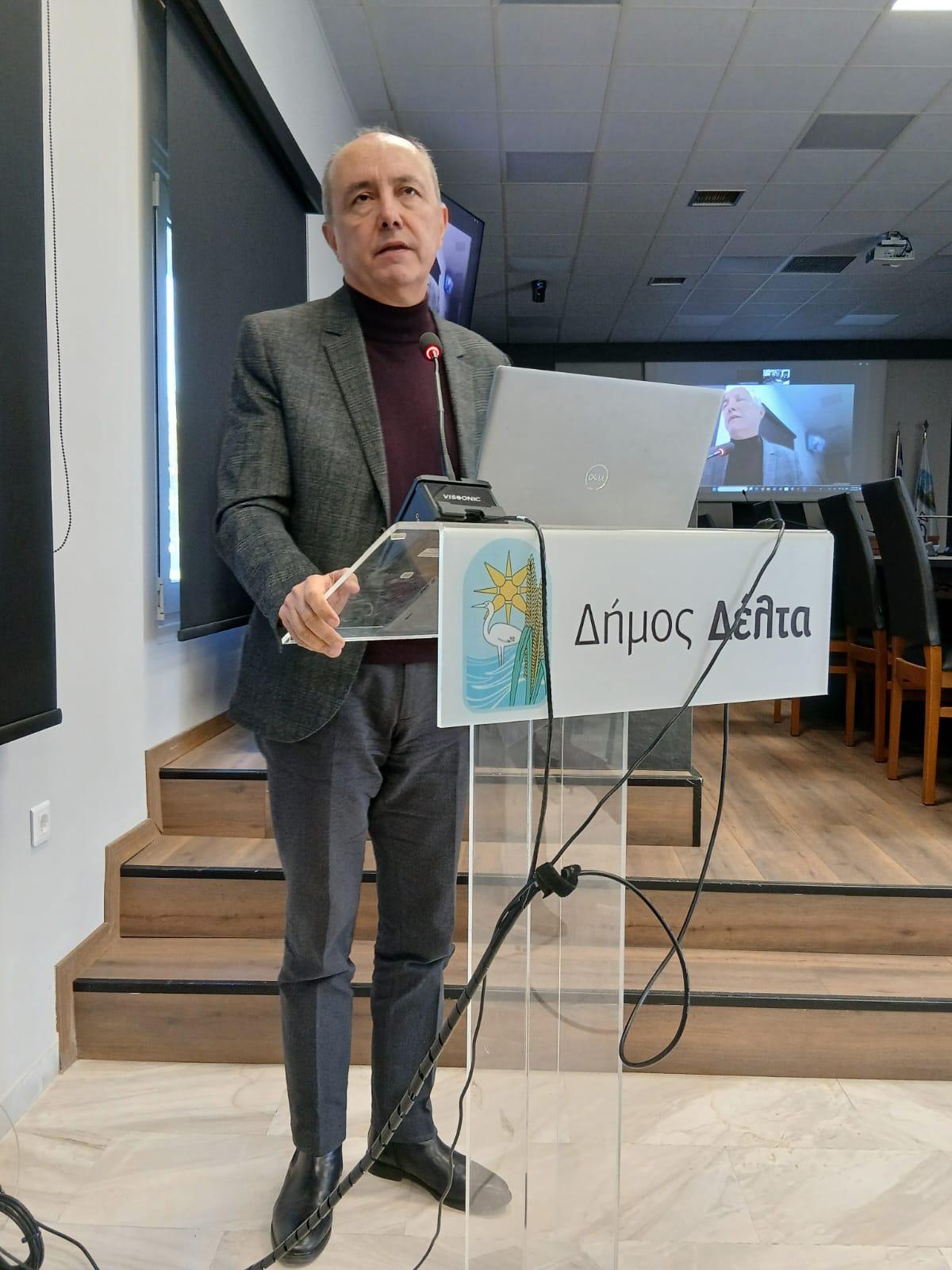
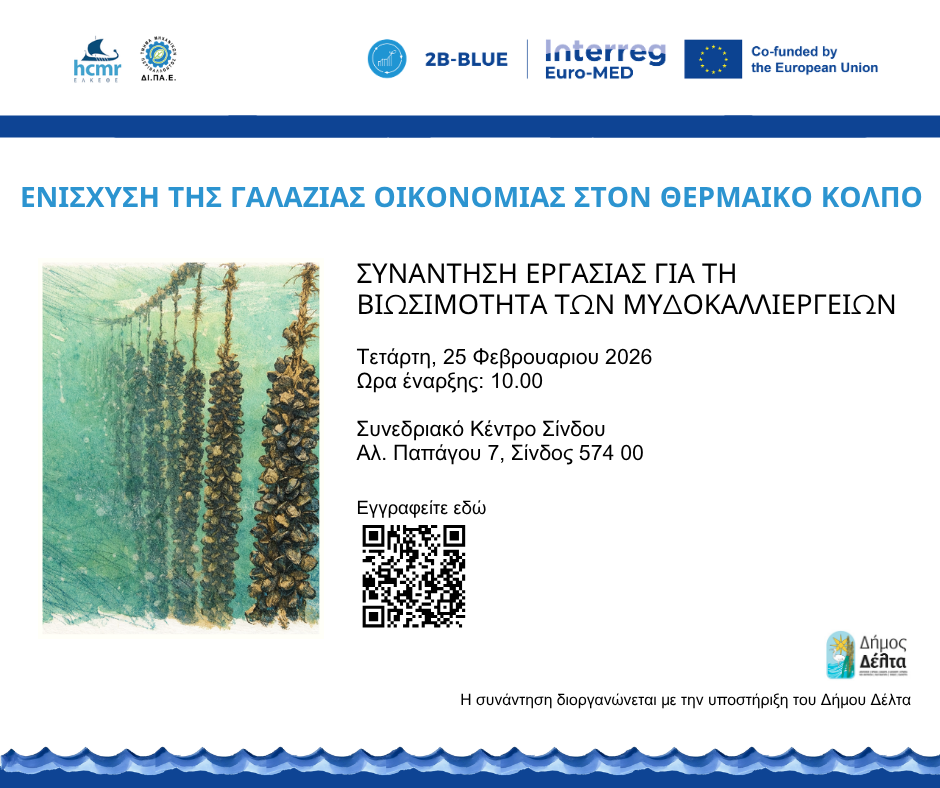
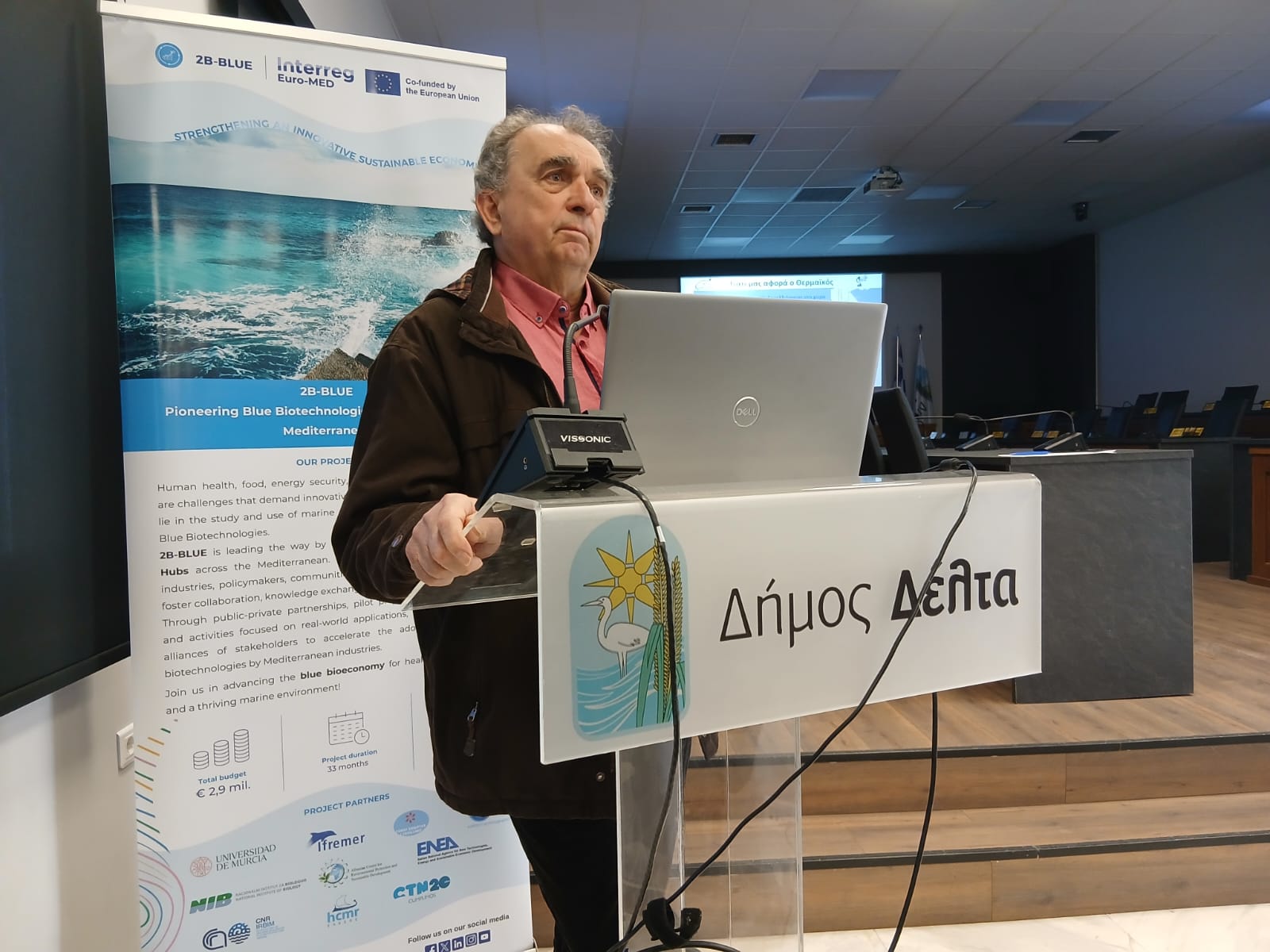
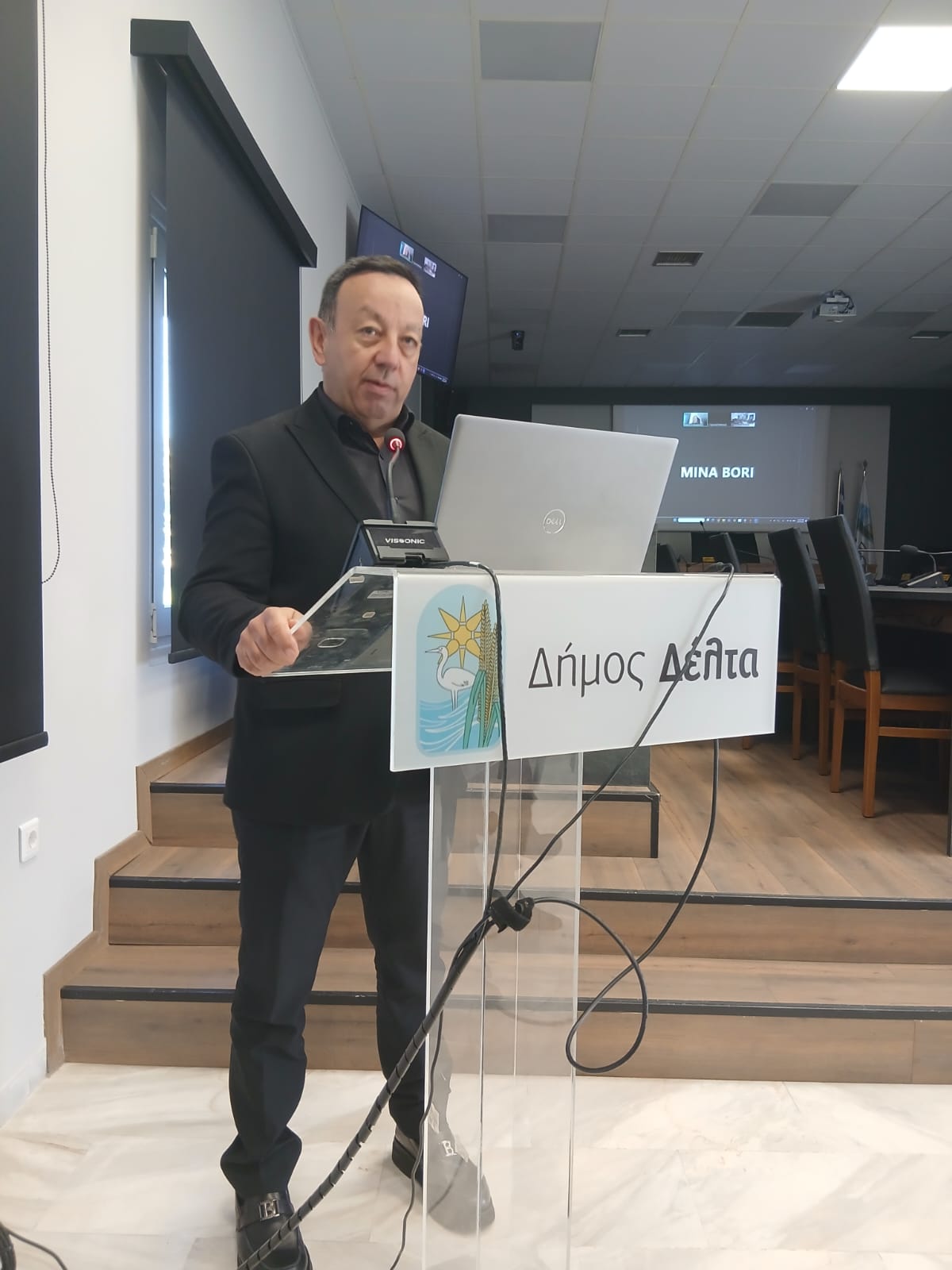
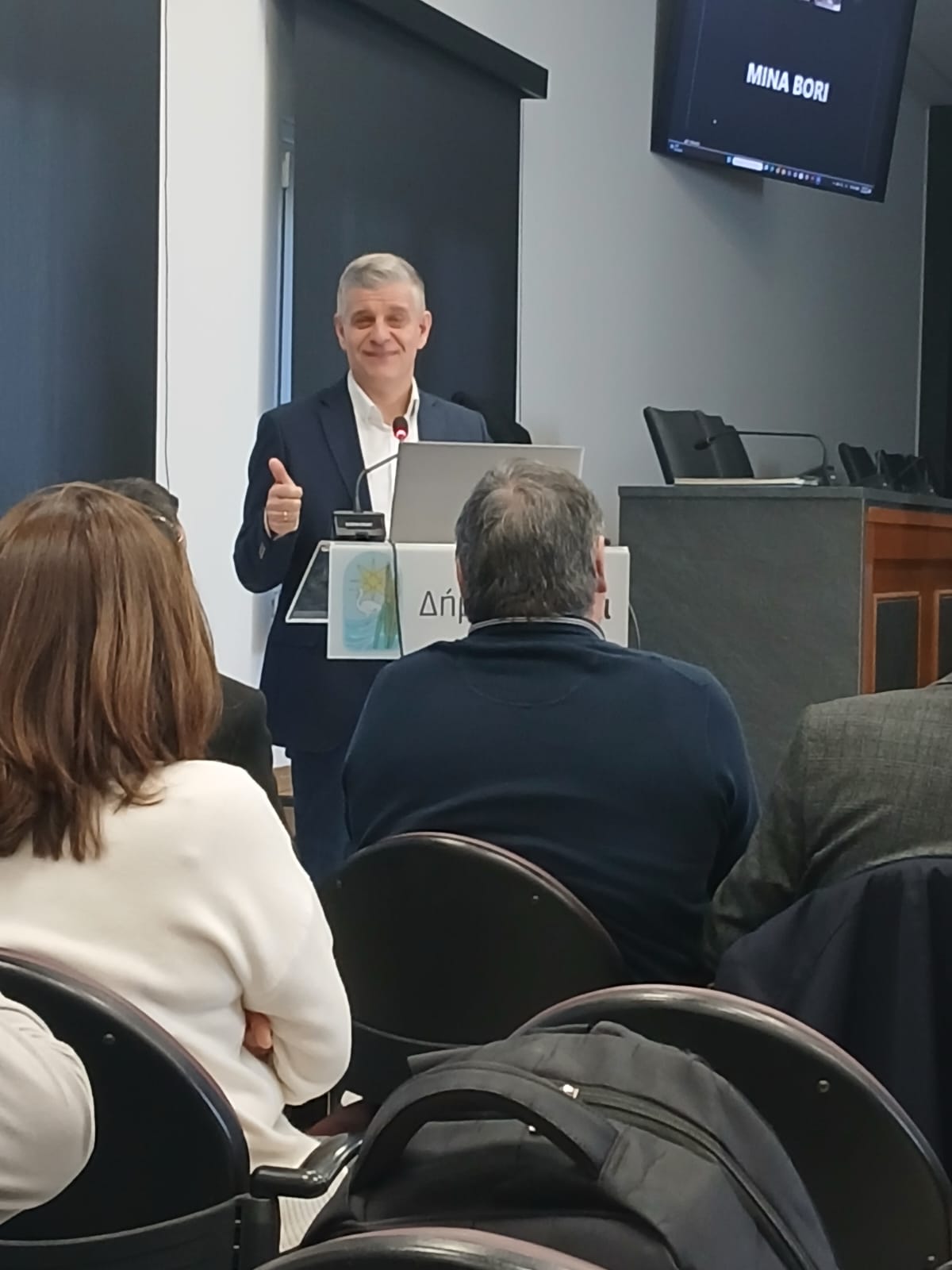
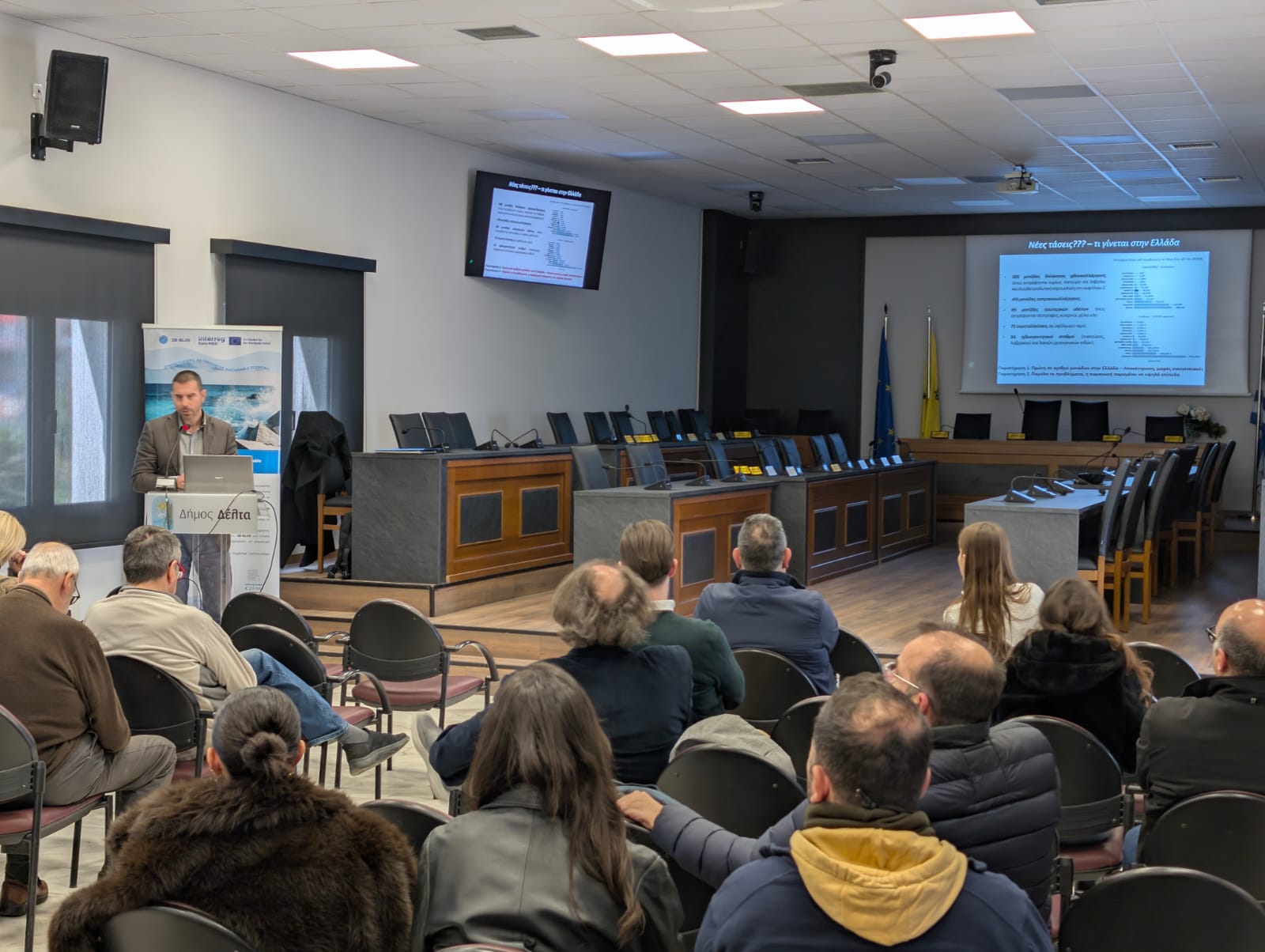
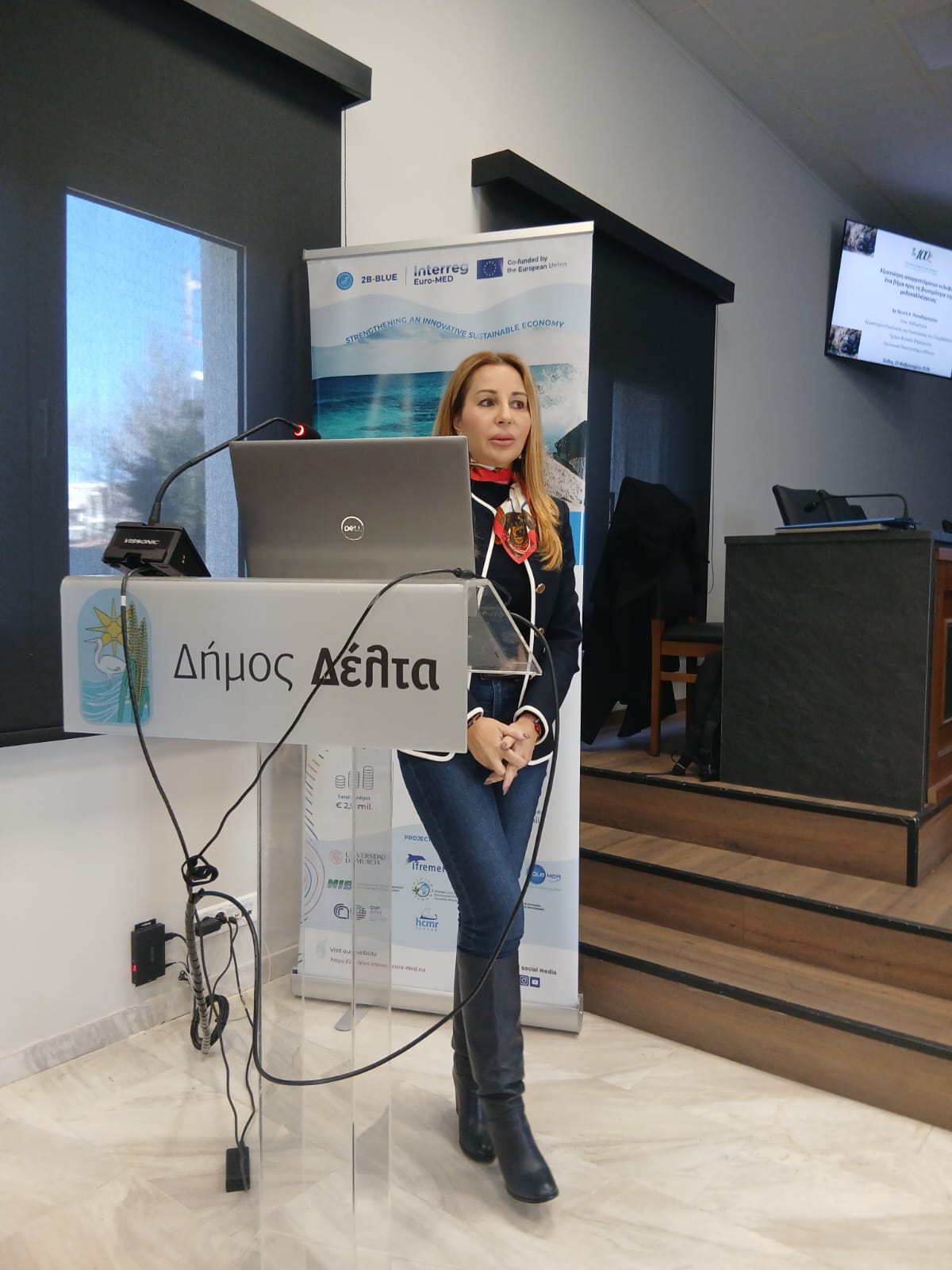
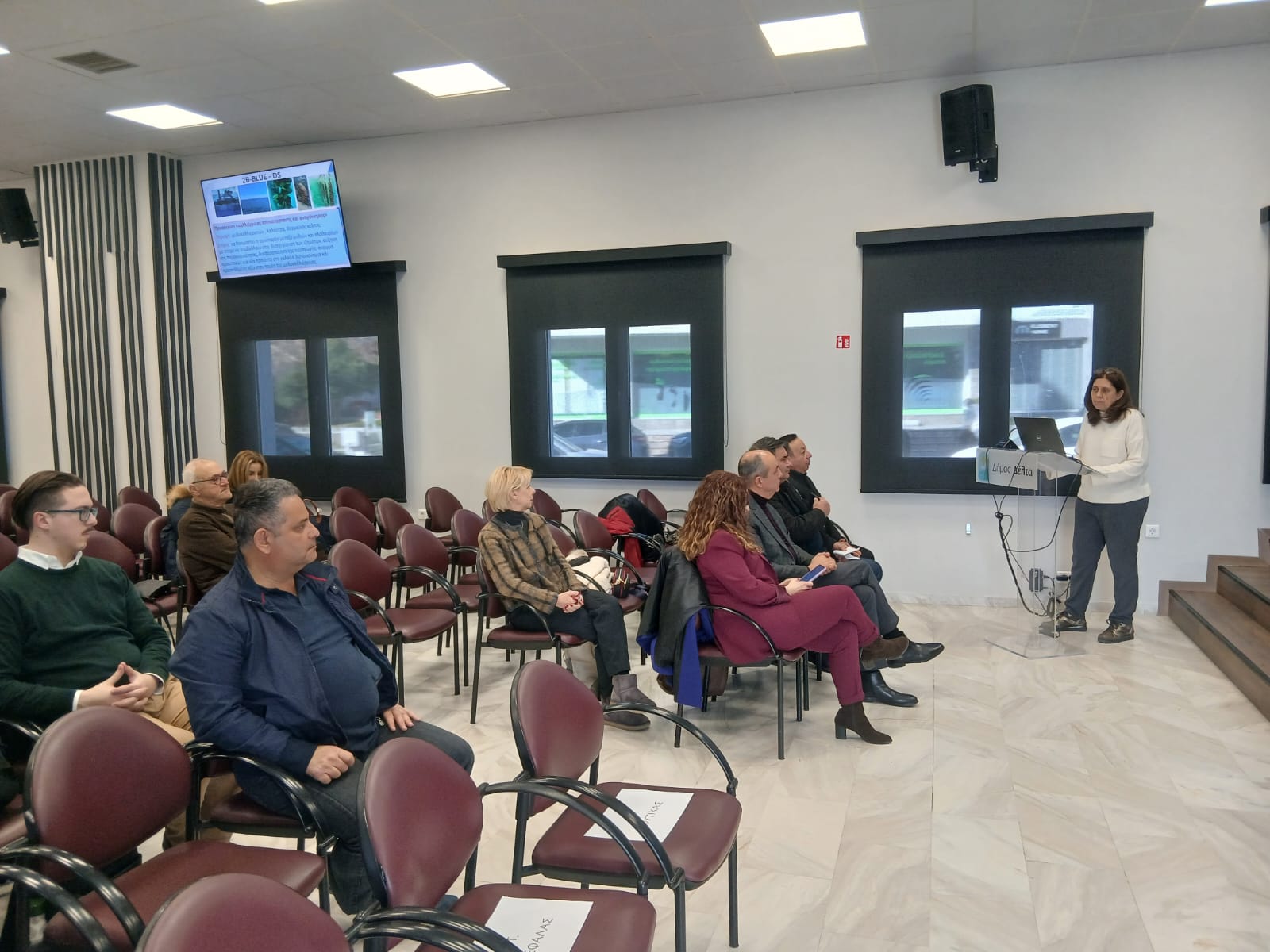
On February 25th, 2026, the 2B-BLUE project held its second Transformative Laboratory (T-Lab) in Thessaloniki, Greece, bringing together 64 participants from academia, industry, public authorities and civil society. Organized by the Hellenic Centre for Marine Research (HCMR) and the International Hellenic University, the meeting focused on improving the sustainability of the mussel farming sector in the Thermaikos Gulf.
This region is one of Greece’s main aquaculture areas but faces growing environmental challenges, including water pollution, nutrient overload and declining mussel yields. Participants highlighted the need for stronger collaboration between researchers, producers and policymakers to address these issues and protect local livelihoods.
The event showcased innovative solutions developed through the 2B-BLUE project. One key approach is the integration of sea cucumbers into mussel farms. These organisms naturally recycle organic waste, helping improve seabed conditions and water quality. Early results show promising benefits, including better oxygen levels in sediments.
New monitoring technologies were also presented, such as automated systems that track water conditions in real time. These tools can help farmers respond more effectively to environmental changes. In addition, participants explored ways to reuse mussel shell waste and other by-products, creating new economic opportunities while reducing environmental impact.
Overall, the workshop highlighted how innovation, collaboration and circular economy practices can help make aquaculture more sustainable and resilient, supporting both the environment and the regional economy.
Photos: HCMR